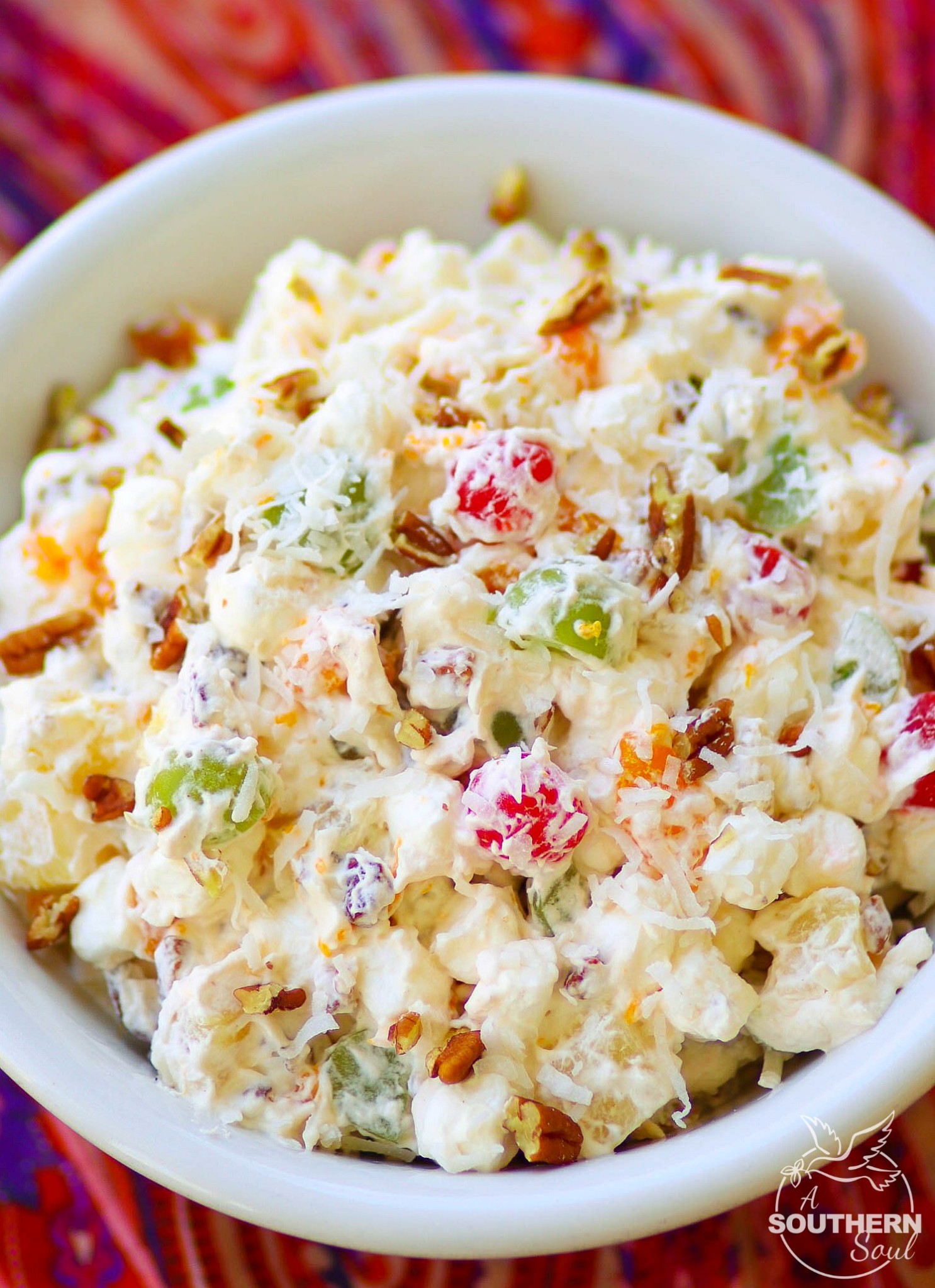
The Southern Soul of Ambrosia Salad: A Retro Holiday Tradition
In the tapestry of Southern culinary traditions, few dishes evoke as much warmth and nostalgia as
Ambrosia Salad. More than just a simple fruit mix, this vibrant, creamy concoction is a beloved retro holiday staple, a sweet whisper of generations past gracing festive tables. For many, the mere mention of
ambrosia salad conjures images of bustling family gatherings, cherished grandmothers, and the comforting aroma of home-cooked feasts. It's a dish that truly embodies its namesake – in Greek mythology, ambrosia was the food of the gods, imparting immortality and divine pleasure. And while our modern version may not grant immortality, it certainly delivers a taste of pure, unadulterated joy.
This delightful concoction, with its kaleidoscope of colors and textures, is more than just a recipe; it’s a cultural touchstone, a reflection of Southern hospitality, and a testament to the enduring appeal of comfort food. Join us as we explore the rich history, essential ingredients, and timeless charm of this heavenly classic.
What Makes Ambrosia Salad a Southern Staple?
For those deeply entrenched in Southern culture, the idea of a major holiday spread—be it Christmas, Thanksgiving, or Easter—without a bowl of
ambrosia salad gleaming brightly on the table is almost unthinkable. This isn't just a dish; it's a legacy. Originating in the late 19th century, Ambrosia gained significant popularity in the South during the mid-20th century, becoming synonymous with hospitality and celebratory abundance. It was the quintessential 'covered dish' for church suppers, family reunions, and any occasion warranting a gathering of loved ones.
Its enduring presence stems from its unique blend of accessibility, vibrant appeal, and a taste profile that appeals across generations. It’s a dish that bridges the gap between a refreshing fruit offering and an indulgent, creamy dessert, making it incredibly versatile for any celebratory spread. Grandmas and aunts were the gatekeepers of these cherished recipes, passing down their versions, each with a subtle tweak or secret ingredient that made it uniquely theirs. This tradition of sharing and communal dining cemented ambrosia salad's place not just in cookbooks, but in the very heart of Southern family life, bringing back a flood of fond memories with every bite.
The Heavenly Harmony of Ambrosia's Ingredients
The magic of
ambrosia salad lies in its delightful medley of textures and flavors, a carefully orchestrated symphony of sweet, tart, and creamy. While specific ingredients can vary from one family recipe to another, certain core components form the backbone of this iconic dish:
- The Fruit Foundation: Typically, canned pineapple chunks or crushed pineapple, mandarin oranges, and maraschino cherries are central. The key here, as many seasoned cooks will attest, is thorough draining. Allowing these fruits to sit and release all excess juice for at least an hour, or even longer, prevents a watery salad. Some recipes also incorporate fresh grapes, often halved, to add a burst of natural sweetness and a contrasting texture. The word 'ambrosia' itself means 'delicious or fragrant,' and the vibrant aroma of these fruits certainly lives up to that name.
- The Creamy Embrace: The unifying element is a luscious, fluffy dressing. While some modern recipes might opt for whipped topping, traditional ambrosia often calls for freshly whipped cream. For an authentic Southern tang and to balance the sweetness of the fruit, many recipes brilliantly incorporate a dollop of sour cream into the whipped cream. This addition not only provides a pleasant counterpoint but also lends a richer body and prevents the salad from being overly sweet. A hint of vanilla extract enhances the overall flavor profile, creating a truly heavenly creamy base.
- Nuts for Texture: Pecans are the undisputed champions here. Their buttery crunch and distinct flavor perfectly complement the soft fruits and creamy dressing. Roughly chopped, they add a much-needed textural contrast that elevates the salad from merely sweet to utterly satisfying. Walnuts can be a substitute, but for true Southern authenticity, pecans reign supreme.
- The Sweet Fluff: Mini marshmallows are the hallmark of ambrosia salad. They melt ever so slightly into the creamy dressing, contributing a unique chewiness and an extra layer of sweetness that children and adults alike adore. They're a playful, integral part of its retro charm, differentiating it from a simple fruit cup.
- Coconut Confession: Flaked coconut, either sweetened or unsweetened, is another quintessential ingredient. It adds a delicate, tropical chewiness and a subtle sweetness that ties all the flavors together, further enhancing the dish's unique character.
Each component plays a vital role, creating a salad that's both refreshing and surprisingly indulgent, embodying the best of Southern comfort cuisine.
Crafting Your Own Divine Ambrosia: A Step-by-Step Guide
Bringing this retro holiday tradition to your own table is surprisingly straightforward, yet a few key steps can elevate your
ambrosia salad from good to unforgettable. It’s all about attention to detail and a little patience.
- Prepare the Fruit with Patience: As mentioned, draining is paramount. Gently press out excess liquid from canned pineapple and mandarin oranges using a fine-mesh sieve or paper towels. Pat maraschino cherries dry. If using fresh grapes, halve them. This initial step ensures your ambrosia retains its delightful texture and doesn't become soupy, a common pitfall. Allow the fruit to sit for at least an hour, or even longer, to ensure maximum dryness.
- Whip Up the Creamy Dream: In a chilled bowl, whip heavy cream with a touch of granulated sugar and a splash of vanilla extract until soft peaks form. This homemade touch makes a significant difference in taste and texture compared to store-bought whipped topping. Gently fold in a spoonful or two of sour cream to achieve that signature tang and richness that balances the overall sweetness of the fruit and marshmallows.
- Combine and Conquer: In a large mixing bowl, gently combine the thoroughly drained fruit (pineapple, mandarin oranges, cherries, grapes), roughly chopped pecans, flaked coconut, and mini marshmallows. Make sure all ingredients are well distributed before adding the cream.
- Fold with Finesse: Carefully fold the creamy whipped mixture into the fruit and nut blend. The goal is to coat everything evenly without deflating the whipped cream. Use a rubber spatula and a gentle, upward motion to incorporate. Overmixing can lead to a dense or watery salad.
- Chill for Perfection: Ambrosia salad, like many good relationships, benefits from time to meld. Cover the bowl tightly with plastic wrap and refrigerate for at least 2-4 hours, or preferably overnight. This chilling period allows the flavors to deepen, the fruit to marry with the creamy dressing, and the marshmallows to soften just enough, resulting in a perfectly harmonious consistency that's fresh, light, and delicious.
Pro Tip: While traditional recipes call for specific fruits, don't hesitate to personalize! A handful of blueberries, sliced bananas, or even diced apples can introduce new dimensions, just ensure any added fresh fruit is firm and not overly watery. For an extra decadent touch, some cooks even blend a small amount of softened cream cheese into their whipped cream base.
Ambrosia: Dessert, Side, or Both?
The identity crisis of
ambrosia salad is a charming quirk of its retro appeal. Is it a fruit salad? A side dish? A dessert? In the South, it often defies neat categorization, comfortably existing in a delicious liminal space. While its fruit-forward nature and sometimes tart elements suggest a salad, the inclusion of marshmallows, whipped cream, and often copious amounts of sugar often pushes it firmly into the dessert category for many.
At holiday feasts, it's typically served alongside the main meal, nestled between the savory casseroles and roasted meats, offering a refreshing counterpoint to richer dishes. Yet, its inherent sweetness means it can just as easily be enjoyed as a sweet ending to a meal. This ambiguity is part of its charm; it’s a dish that refuses to be pigeonholed, always ready to surprise and delight regardless of when it’s served. Some even argue that its true purpose is simply to provide moments of pure, nostalgic pleasure, irrespective of its official culinary classification. Whether you present it as a refreshing palate cleanser or a sweet indulgence, one thing is certain: a well-made ambrosia salad will always be a welcome addition to any gathering.
From its mythical origins as the food of the gods to its beloved status as a Southern holiday tradition,
ambrosia salad stands as a testament to the power of simple ingredients combined with heartfelt care. It's a dish that transcends generations, sparking fond memories for some and creating new ones for others. Its vibrant colors, delightful textures, and perfectly balanced sweetness make it an irresistible addition to any festive table. So, whether you're rediscovering a classic from your childhood or introducing this delightful retro treat to a new generation, embrace the Southern soul of ambrosia. It's more than just a recipe; it's a piece of culinary history, a celebration of community, and a promise of sweet traditions yet to come. Give it a try this holiday season and experience the divine joy for yourself.