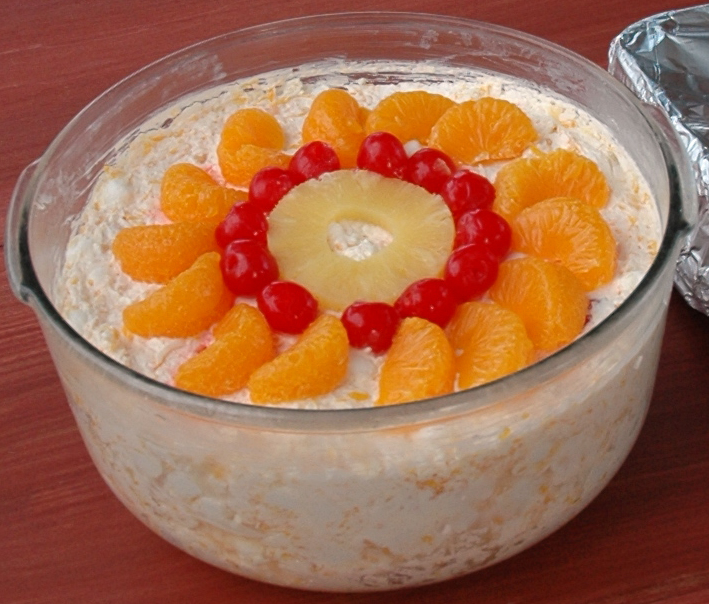
Is Ambrosia Salad a Dessert or Side? Unpacking This Sweet Classic
Few dishes spark as much debate, nostalgia, and culinary curiosity as Ambrosia Salad. Is this vibrant, creamy concoction a refreshing fruit salad destined for the side of your plate, or a decadent sweet treat meant to cap off a meal? For generations, this quintessential Southern classic has graced tables, confounding newcomers while delighting long-time fans. Let's delve into the delicious world of ambrosia salad to uncover its origins, dissect its components, and finally, settle (or further complicate) its identity crisis.
The Divine Origin of Ambrosia Salad: A Southern Staple
The name "Ambrosia" itself offers a hint at its esteemed status. In Greek mythology, ambrosia was the food of the gods, imparting immortality and divine pleasure. While the culinary version might not grant eternal life, it certainly brings a taste of heaven to those who appreciate its unique charm. Born from the rich culinary traditions of the American South, ambrosia salad is more than just a recipe; it's a cherished cultural icon.
For many, especially those raised below the Mason-Dixon line, ambrosia salad conjures fond memories of family gatherings and holiday feasts. It was an undeniable fixture at Christmas, Thanksgiving, and Easter tables, its colorful presence a beacon of celebration. Beyond the holidays, it was a "must-have" for church potlucks, family reunions, and any covered dish supper where good food and fellowship were paramount. This "old-school" recipe carries with it a strong sense of tradition, evoking warm feelings of home, community, and simpler times. It's a dish that transcends mere ingredients, becoming a vessel for shared experiences and nostalgic comfort.
The enduring popularity of this retro dish isn't accidental. It speaks to a time when convenience met comfort, offering a relatively easy yet impressive dish for any occasion. Its vibrant hues and diverse textures make it both visually appealing and satisfyingly complex on the palate, solidifying its place in the pantheon of beloved Southern dishes.
Deconstructing the Classic: What Goes Into Ambrosia Salad?
At its heart, ambrosia salad is a symphony of flavors and textures, a medley of fruits, nuts, and sweet, creamy goodness. While variations abound, the core components remain largely consistent, contributing to its distinct profile:
- Pineapple: Often canned and well-drained, pineapple provides a juicy, tangy base that cuts through the richness. Its bright flavor is unmistakable.
- Mandarin Oranges: Small, sweet, and delicate, these add another layer of citrusy sweetness and a burst of moisture.
- Cherries: Maraschino cherries are the traditional choice, lending their vibrant red color and sweet, slightly artificial flavor. Some modern interpretations might use fresh or frozen pitted cherries for a more natural taste.
- Coconut: Shredded coconut, usually sweetened, is a non-negotiable ingredient, adding a distinctive tropical flavor and chewy texture.
- Pecans: Chopped pecans introduce a much-needed crunch and a nutty, earthy counterpoint to the sweetness. Lightly toasting them beforehand can significantly deepen their flavor.
- Grapes: Halved red or green grapes contribute a fresh, crisp texture and natural sweetness, often adding a refreshing juiciness.
- Marshmallows: Mini marshmallows are perhaps the most controversial yet iconic ingredient. They add an undeniable sweetness, a soft chewiness, and that signature "salad with marshmallows" identity that defines ambrosia.
- The Creamy Binder: This is where some of the magic happens. Traditionally, a base of fresh whipped cream is used, often enhanced with a touch of sugar and vanilla. Crucially, many authentic recipes also incorporate sour cream into the whipped cream. This unexpected addition provides a mild tang and a rich body that beautifully balances the overall sweetness, preventing the salad from becoming cloyingly sugary. Alternatively, some recipes may opt for whipped topping for convenience.
The beauty of ambrosia salad lies in its adaptability. While these ingredients form the classic foundation, personal touches are common. Some might add bananas, others a sprinkle of cinnamon, but the delightful interplay of fruit, cream, and a touch of chewiness defines its enduring appeal.
Tips for a Perfect Ambrosia Salad:
- Drain, Drain, Drain: This cannot be stressed enough. Canned fruits must be thoroughly drained, ideally for an hour, to prevent the salad from becoming watery. Gently patting them dry can also help.
- Balance is Key: The sour cream in the whipped cream is a game-changer. It provides a crucial tang that elevates the flavors and stops the dish from being overly sweet.
- Chill Time: Like many creamy salads, ambrosia benefits immensely from chilling for at least a few hours, or even overnight. This allows the flavors to meld and the textures to set.
The Great Debate: Dessert or Side Dish?
This is the crux of the matter, the central question that has puzzled potluck attendees for decades. Is ambrosia salad a dessert or a side dish? The answer, like the dish itself, is wonderfully complex and often depends on who you ask, and where they're from.
The Case for Ambrosia Salad as a Side:
Those who champion it as a side dish often point to its composition. It's predominantly fruit, after all. In many Southern households, it's served alongside savory holiday meals – a refreshing, tangy counterpoint to rich meats and heavy casseroles. The inclusion of sour cream in the dressing further supports this perspective, as it introduces a savory-tart element that balances the sweetness. Historically, many "salads" in Southern cuisine, like congealed salads, occupy this ambiguous space between main and sweet, often served with the main course.
The argument is that it offers a bright, palate-cleansing interlude between bites of turkey or ham, a lighter option than a traditional heavy dessert. It acts as a Southern soul food staple that complements the main spread rather than competing with the final sweet course.
The Case for Ambrosia Salad as a Dessert:
On the other hand, a strong case can be made for ambrosia salad as a dessert. With its generous helping of marshmallows, sweetened whipped cream, and naturally sweet fruits, it certainly tastes like a treat. Many find its sweetness profile aligns more with that of a fruit cobbler or a light parfait than a traditional vegetable side. For those unfamiliar with its Southern context, the presence of marshmallows alone immediately screams "dessert."
It's often served in the dessert spread at gatherings, alongside pies and cakes, further blurring the lines. Its rich, creamy texture and delightful sweetness make it an undeniably satisfying conclusion to any meal, whether it’s a simple weeknight dinner or an elaborate holiday spread.
The Verdict: It's Both, and That's Okay!
Ultimately, the beauty of ambrosia salad lies in its refusal to be pigeonholed. It exists in that delightful culinary gray area, capable of fulfilling both roles with equal grace. For some, it's the light, fruity accompaniment to a heavy meal. For others, it's the perfect sweet ending, a "fruit salad of dreams" that satisfies a sweet tooth without being overly heavy. Its versatility is part of its enduring charm and why it continues to be a beloved classic.
Crafting Your Own Heavenly Ambrosia Salad: Tips for Success
Whether you lean towards the side-dish camp or the dessert team, making your own ambrosia salad is a rewarding experience that connects you to a rich culinary heritage. Here are some actionable tips to ensure your ambrosia is nothing short of divine:
- Quality Ingredients Matter: While canned fruits are traditional and convenient, opting for high-quality brands or even incorporating some fresh fruit (like segmented oranges or fresh pineapple chunks) can elevate the flavor significantly. Ensure grapes are seedless and halved for easy eating.
- The Creamy Base: If opting for homemade whipped cream, start with very cold heavy cream. Adding a tablespoon of powdered sugar and a teaspoon of vanilla extract enhances its flavor. Don't forget that secret ingredient – a dollop of sour cream – to give it that essential tangy balance.
- Toasted Nuts for Maximum Flavor: Don't just toss in raw pecans. A quick toast in a dry skillet or oven brings out their natural oils and deepens their nutty flavor, adding another dimension to your salad.
- Marshmallow Magic: While mini marshmallows are standard, feel free to experiment with different colors or even slightly larger, cut-up marshmallows for varying texture.
- Patience is a Virtue: As mentioned, proper chilling is key. This allows the fruit juices to subtly meld with the creamy dressing and the marshmallows to soften slightly, integrating all the components into a cohesive, delicious whole.
Don't be afraid to introduce this retro delight to those unfamiliar with it. You might just convert a skeptic, as many Southern hosts have done before. Explaining its rich history and the deliberate balance of its ingredients can help newcomers appreciate its unique appeal.
Conclusion
From its mythical namesake to its enduring presence on Southern tables, ambrosia salad remains a captivating enigma. It’s a dish that transcends simple categorization, comfortably existing in the delicious liminal space between a refreshing fruit side and a delightful dessert. Its vibrant colors, diverse textures, and harmonious blend of sweet and tangy flavors make it a truly unforgettable culinary experience. So, the next time you encounter this sweet classic, embrace its dual identity. Whether you serve it alongside your main course or save it for a sweet finish, one thing is certain: ambrosia salad is a timeless treasure that continues to bring joy, nostalgia, and a touch of the divine to every gathering.
